
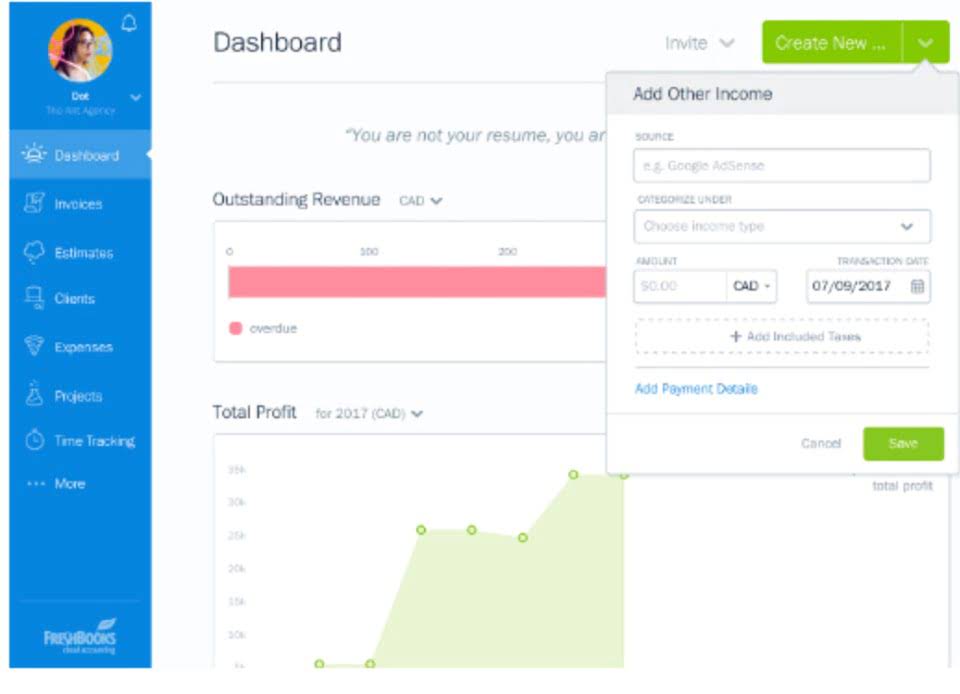
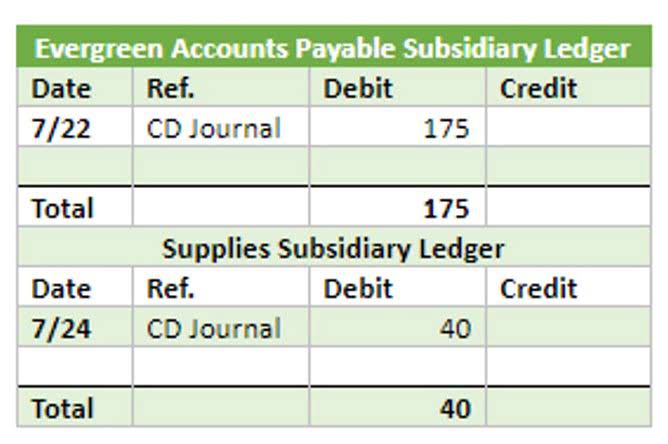
Finance departments often serve as the backbone of any organization, ensuring operational stability, financial health, and compliance. However, traditional manual processes can hold teams back, creating bottlenecks and making it difficult to keep pace with an increasingly fast-moving business environment. If you’re tired of wading through mountains of invoices, reconciling errors, or struggling to close your books on time, an autonomous approach to your finance operation might be a good fit. Here’s everything you need to know about cutting-edge technology and how it can elevate your finance team’s performance. A general ledger records transactions and is often made up of subsidiary ledgers, such as a ledger for accounts receivable (sales) or accounts payable (purchases). It enables businesses to keep their finances in order and properly report their losses, gains, and assets to the appropriate authorities.

Regulatory Compliance and Reporting for Insurance, Error and Omissions.

Predictive analytics provide insights into future financial trends, helping companies to plan strategically. AI will integrate seamlessly with other emerging technologies such as blockchain, Internet of Things (IoT), and cloud computing to create comprehensive, end-to-end accounting systems. This “hyper-automation” will eliminate the need for manual interventions, enabling real-time data processing, automated audits, and instant reconciliations. Blockchain, in particular, will add a layer of security and transparency, enhancing trust in financial reporting.
What Is Automated Accounting Software?

By automating routine tasks such as reconciliation and journal entries, the software frees up accountants to focus on strategic work. The concept of continuous accounting represents another significant benefit of automation. Traditional month-end closing processes may eventually disappear as automation enables an always-on financial close where books remain perpetually up-to-date. This eliminates the periodic stress of closing autonomous accounting cycles by spreading reconciliation work throughout the month. Advanced automation tools automatically match transactions across multiple sources in real time, flag exceptions immediately for investigation, and maintain constantly updated financial statements. For many organizations, the traditional monthly close will transform into a brief verification step rather than a labor-intensive process.
- Imagine trying to make quick, strategic decisions based on data that might be outdated or incorrect.
- Data-to-insights automation, built for scale—no constant human supervision needed.
- Data entry remains one of the most time-consuming and error-prone activities in traditional accounting.
- Autonomous finance leverages AI, robotic process automation (RPA), and advanced analytics to automate the financial close from start to finish.
- Small business cloud accounting offers cost-effective, automated solutions for financial management.
Reconciliation
Automation virtually eliminates these errors by consistently applying predefined rules to every transaction. Properly configured processes achieve accuracy rates far outperforming manual methods. Automated workflows generate complete audit trails that document who accessed information, what changes occurred, and when — creating reliable records that meet accounting standards and tax requirements. Implementing autonomous accounting can significantly improve efficiency and accuracy, but it also presents a variety of challenges.
Should You Combine AR and AP Roles? What Mid-Market Finance Teams Should Know
The value of automation diminishes significantly if it creates additional data silos. Effective automation solutions offer native connections to popular enterprise resource planning (ERP) platforms and accounting software. These integrations allow bidirectional data flows, ensuring that information entered or modified in one application automatically updates across all connected software solutions. Leading solutions offer prebuilt connectors for major platforms like NetSuite, SAP, Oracle, and QuickBooks, along with APIs for custom integrations.
- On top of that, you can integrate time tracking to get a bird’s eye view of who is working on what, providing you with important information you can use to make informed business decisions.
- You can even directly upload your receipts, which are then automatically saved and categorized.
- Employee expense reporting traditionally ranks among the most frustrating financial processes for both finance departments and employees alike.
- As a business grows, AI tools can seamlessly manage increased workloads while maintaining speed and accuracy, allowing for smooth and efficient expansion.
- Automation helps maintain consistent documentation and tracks actions through audit logs.
AI empowers self-learning close systems—who wants slow, manual reconciliation when automation runs itself?
Autonomous accounting software is no longer a futuristic concept; it’s a reality that’s transforming the finance industry. Our AI-powered Anomaly Management Software helps accounting professionals identify and rectify potential ‘Errors and Omissions’ throughout the financial period so that teams can avoid the month-end rush. The AI algorithm continuously learns through a feedback loop which, in turn, reduces false anomalies. We empower accounting teams to work more efficiently, accurately, and collaboratively, enabling them to add greater value to their organizations’ accounting processes. HighRadius stands out as a challenger by delivering practical, results-driven AI for Record-to-Report (R2R) processes.
- Clear communication about why changes are being made can help reduce pushback and build long-term buy-in.
- It’s not just about automating tasks — it’s about reaching a new level of operational excellence and empowering teams to achieve more with less.
- Gradually introduce AI tools and support employees as they learn for long-term success.
- Testing integration in small steps helps avoid major issues during full implementation.
- The technology actually is made up of a number of components that allow it to be transformative for businesses.
- Financial data from accounting helps identify potential risks, such as declining profits or increased debts.
Automation in accounting is growing quickly and assets = liabilities + equity changing many parts of the industry. Key shifts include new technology adoption, challenges firms face, and how finance professionals adapt to keep up. Blockchain technology adds transparency and security to accounting by creating tamper-proof ledgers.
- Traditional reporting methods can be time-consuming and may not provide up-to-date information.
- Automation uses predictive analytics to identify future financial trends based on past and current data.
- AI also helps with predictive analysis and finding patterns in historical data to identify the most relevant information for informed decision-making.
- As companies grow, so does the complexity of managing data, meeting reporting deadlines, and staying on top of compliance requirements.
- The system automates the calculation of taxes, ensuring accuracy and compliance with local, state, and federal tax laws.
Advanced technologies like this enable business owners with little to no training to manage their small business accounting operations and comply with legal requirements. Automated accounting software employs robust security measures, including encryption and regular backups. Automated accounting software stays current with tax laws and compliance requirements. It creates audit trails and automates updates, ensuring that your business Opening Entry always meets legal standards.
