
The Allure of Casino Gambling
The psychology behind casino gambling is deeply rooted in human behavior and decision-making processes. Many individuals are attracted to casinos not just for the chance to win money but for the overall experience that combines thrill, social interaction, and entertainment. This allure often leads to a unique psychological state where players find themselves immersed in the environment, often overlooking the potential risks involved. Interestingly, some gamblers even explore non uk betting sites as alternatives, seeking different experiences and opportunities.
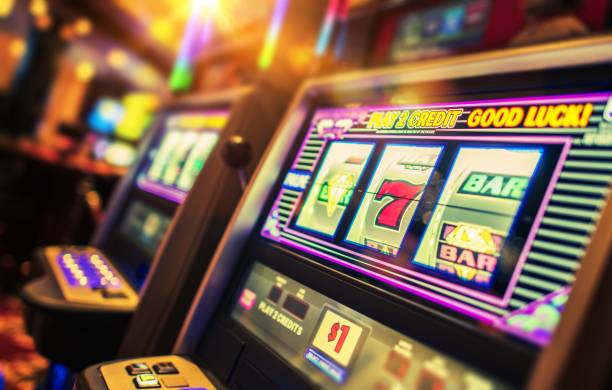
Furthermore, casinos are meticulously designed to evoke certain emotions and behaviors. Bright lights, engaging sounds, and the presence of other players create a stimulating atmosphere that can heighten the excitement of gambling. This sensory overload not only draws in players but can also lead to impulsive decision-making, where strategies are abandoned in favor of immediate gratification.
The Role of Risk and Reward
At the core of casino gambling lies the intricate balance between risk and reward. Players are often motivated by the prospect of winning big, which can create a psychological phenomenon known as ‘loss aversion.’ This principle suggests that the pain of losing is more powerful than the pleasure derived from winning, influencing players’ betting behavior. Consequently, gamblers may employ various strategies to mitigate losses while maximizing their chances of winning, all while remaining aware of their emotional responses.
Moreover, the thrill of risking money can lead to a compulsive mindset, where players feel an irresistible urge to continue betting despite negative outcomes. This psychological connection to the potential for large payouts drives many to adopt strategies that they believe can improve their odds, often leading to a cycle of chasing losses that can be difficult to break.
Cognitive Biases in Gambling Strategies
Cognitive biases play a significant role in how gamblers create and implement their strategies. The ‘gambler’s fallacy,’ for instance, is a common bias where individuals believe that past outcomes will influence future results, leading them to make irrational decisions. Players may think that after a series of losses, a win is “due,” causing them to alter their betting approach based on flawed reasoning.
Additionally, the ‘illusion of control’ is another cognitive bias that can shape gambling strategies. Gamblers may believe that they have influence over random events, such as the outcome of a roulette spin or a card deal in poker. This can lead to overconfidence in their methods and a willingness to invest more time and money into gambling activities, often spiraling into problematic gambling behaviors.
The Psychological Impact of Casino Environments
Casinos are not just venues for gambling; they are environments specifically curated to influence behavior and decision-making. The absence of clocks, the use of free drinks, and the arrangement of gaming tables can all serve to prolong a player’s stay and increase the likelihood of additional bets. This manipulation of the environment can create a psychological dependency, where individuals are conditioned to associate pleasure with prolonged gambling sessions.
The social aspect of gambling also cannot be overlooked. Many players find camaraderie among fellow gamblers, which can reinforce their engagement. This social environment can lead to a distorted perception of winning as players share stories of success, thereby creating a false narrative that encourages continued gambling, despite the odds stacked against them.
Understanding the Digital Casino Landscape
As online casinos become increasingly popular, the psychology behind gambling strategies adapts to digital platforms. Players may experience a different set of psychological triggers in an online environment compared to traditional casinos. The ease of access and anonymity can exacerbate compulsive behaviors, leading individuals to gamble more frequently without the social constraints found in physical casinos.
Websites dedicated to casino gaming often emphasize the importance of responsible gambling, providing tools and resources to help players maintain control. However, the engaging digital environment can foster the same biases and irrational behaviors seen in traditional settings. Understanding these psychological elements is crucial for both players and operators to promote a healthier approach to online gaming and gambling strategies.
